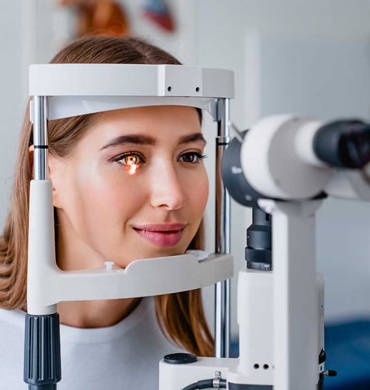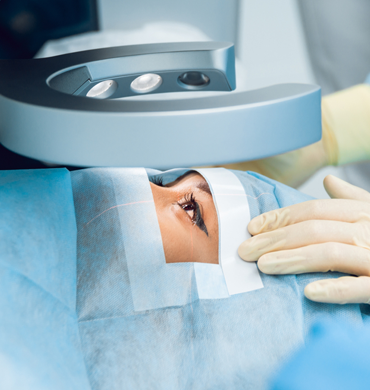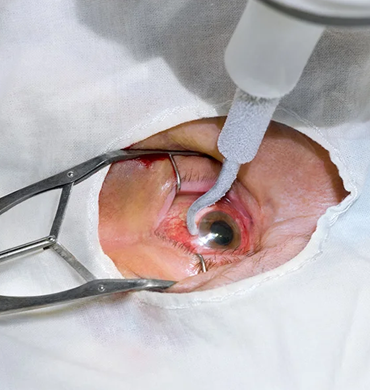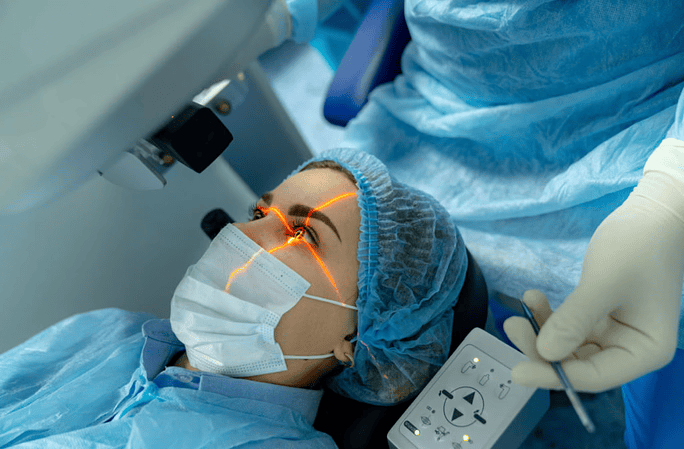
Femto assisted cataract surgery, also known as Femtosecond Laser-Assisted Cataract Surgery (FLACS), is a modern, high-tech surgical procedure that uses a computer-guided femtosecond laser to perform several key steps of cataract surgery that are traditionally done manually with handheld blades. This method is designed to enhance precision, safety, and visual outcomes.
How It Works
FLACS uses advanced imaging systems, such as Optical Coherence Tomography (OCT), to create a detailed, real-time 3D map of the patient's eye. The surgeon uses this map to plan the surgery, and the laser then automates several critical steps with unparalleled accuracy
Corneal Incisions: The laser creates precise, self-sealing entry points into the cornea, which are more consistent and predictable than manual incisions.
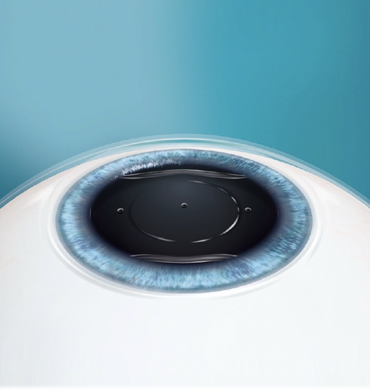
Capsulotomy : The laser creates a perfectly circular and centered opening in the thin, delicate lens capsule (the outer layer of the lens) to allow for removal of the cataract.
Lens Fragmentation : The laser pre-softens and breaks the cloudy cataract lens into smaller, manageable pieces. This reduces the need for the surgeon to use high levels of ultrasound energy during the lens removal phase, which minimizes trauma to the eye's internal structures.
Astigmatism Correction : The laser can also create specific incisions in the cornea (limbal relaxing incisions) to correct pre-existing astigmatism simultaneously. Advantages
FLACS offers several potential benefits over traditional phacoemulsification surgery:
Enhanced Precision and Accuracy : The automated, computer-guided nature of the laser minimizes the risk of human error, leading to more predictable outcomes.
Reduced Trauma : By softening the cataract and using less ultrasound energy, the procedure is gentler on the eye, which may lead to a lower risk of complications.
Faster Recovery : Patients often experience quicker healing and a faster return to normal activities due to the precision of the laser incisions and reduced eye trauma.
Better IOL Positioning: The precise capsulotomy ensures the artificial intraocular lens (IOL) is perfectly centered and stable, leading to improved long-term visual outcomes.
Bladeless Procedure: Key steps are performed without the use of manual surgical blades.